Hydration and Bone Health: Why Water Matters More Than You Think


If someone asked you, “What keeps your bones strong?” you’d probably say calcium, vitamin D, sunlight, maybe even milk thanks to those childhood ads.
But I’m willing to bet water wouldn’t make the list, not even by accident.
And yet, here’s the plot twist: Your bones are thirsty. Literally. They depend on water way more than you might think.
Most of us link hydration only to glowing skin, smooth digestion, and avoiding that mid-day headache that feels like a tiny drummer is practicing inside your skull.
But your bones, that solid, silent framework holding you up, rely on good hydration every single day to stay strong, flexible, and healthy.
So grab a glass of water (trust me, you’ll want one by the end of this), and let’s dive deep into the connection between hydration and bone health.
The Shocking Truth: Bones Are 31% Water
When we hear “bone,” we imagine something hard, chalky, and dry. You know, like the plastic skeleton in a school biology lab.
But real bones? About one-third of their structure is WATER.
Imagine removing that water from your bones. They would lose strength, elasticity, and the ability to withstand impact. You’d literally become more… breakable.
Water helps maintain the collagen matrix inside your bones, the part that keeps them slightly flexible instead of brittle like a biscuit.
Without enough water, that matrix becomes less hydrated, and over time, less resilient.
So yes, bones may look dry from the outside, but on the inside? They’re basically tiny hydro-engineering miracles.
Hydration Helps Your Body Absorb Calcium Better
Here’s the thing nobody tells you:
You can eat all the calcium-rich foods in the world yogurt, spinach, paneer, almonds, you name it but if your body isn’t hydrated, it can’t absorb minerals efficiently.
Water plays a big role in:
- Transporting calcium from your digestive system to your bones
- Supporting the metabolic processes that make bone tissue
- Helping vitamin D do its job
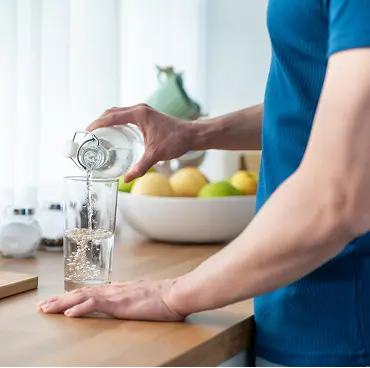
Because without water, your digestive system moves slower, your cells work harder, and your minerals have no smooth ‘highway’ to travel on.
Hydration literally acts like the WiFi that keeps all your body processes connected when it’s weak, everything starts lagging.
So even if you’re eating healthy, dehydration can silently sabotage how much nutrition actually reaches your bones.
It’s like this: calcium is the celebrity, vitamin D is the manager, and water is the entire security team plus the transportation unit.
Without it, nothing reaches the stage.
Hydration and Joint Health: Bones’ Best Friends
Bones don’t work alone. They work as a team with your joints, which depend heavily on you guessed it water.
Inside your joints is synovial fluid, a smooth, slippery lubricant that prevents bone-on-bone friction. And what is synovial fluid made of?
Mostly water.
When you’re dehydrated, your body produces less synovial fluid, and joints become stiff, cranky, and prone to pain.
That’s why you might feel your knees making tiny protest noises after climbing just one flight of stairs on a day when you barely drank water.
Hydrated joints, happy bones.
Water Helps Remove Toxins That Damage Bones
Your bones are constantly breaking down and rebuilding a process called bone remodeling. This requires your body to remove old bone cells and waste products.
Water supports kidney function, which helps flush out toxins and acids that, if left unchecked, can weaken bones over time.
Chronic dehydration can cause an acidic environment in your body, and your system might attempt to neutralize this by pulling minerals like calcium from your bones.
That means your body could be treating your skeleton like a calcium ATM.
Nobody wants that.
Dehydration Higher Risk of Falls (Yes, Really!)
One of the sneakiest ways dehydration affects bone health isn’t even directly connected to your bones, it's connected to your balance and coordination.
When your body is low on fluids, your blood volume drops, which means less oxygen reaching your brain. And when your brain feels even a little “foggy,” your sense of balance goes for a toss.
Even mild dehydration can cause:
- Dizziness
- Fatigue
- Reduced concentration
- Slower reflexes
- A slight wobbliness when you stand up too fast
- That weird feeling where your body moves before your mind catches up
And here’s the scary part: most people don’t even realize they’re dehydrated until their body is already struggling to stay steady.
So you might think you’re normally walking, but your brain is basically buffering like a slow-loading video.
All of these increase the risk of falls, especially in older adults. And a fall is the quickest way to go from “I’m fine” to “Why does my X-ray look like a shattered cookie?”
Staying hydrated is staying stable. Literally. It keeps your brain sharp, your muscles coordinated, and your steps confident; no unwanted wobbling, no accidental acrobatics.
Your Spinal Discs Are Water Cushions
Ever heard someone complain, “My back is killing me”?One reason could be dehydration, and no, we’re not exaggerating.
Your spine has inter vertebral discs that act like shock absorbers. These discs are made up of a jelly-like substance that is around 80% water. If you don’t drink enough water:
- These discs lose height
- Their cushioning ability decreases
- Your spine experiences more pressure
- You might feel stiffness or discomfort
Hydration keeps your spine bouncy like a mattress with good springs instead of a worn-out cot.
Water Supports Muscle Function and Muscles Protect Bones
When muscles are dehydrated, they get tired faster. And tired muscles don’t support your bones well.
If your muscles aren’t doing their job, your bones experience more stress and strain, increasing the risk of injury.
Think of muscles as bodyguards and bones as VIPs. When the bodyguards are weak or sleepy, the VIP is in trouble.
Hydration gives your muscles the fuel to:
- Contract smoothly
- Support posture
- Protect your skeleton during movement
Signs You’re Not Drinking Enough Water (Bone Edition)
Apart from the usual dry lips and headaches, these subtle signs could also signal dehydration affecting your bones and joints:
- Morning stiffness
- Cracking or popping joints
- Sudden knee or back discomfort
- Feeling unusually tired during physical activity
- Slower recovery after workouts
- Cramps or muscle twitches
Your body is basically whispering, “Please… just a sip?”
How Much Water Do You Actually Need for Healthy Bones?
The answer isn’t just “8 glasses a day.”That’s outdated and honestly too generic.
Your hydration needs depend on:
- Your body weight
- Activity level
- Weather
- How much caffeine or salty food you consume
- Your overall health
A simple guideline:
Women: 2.5 – 3 liters/day
Men: 3 – 3.7 liters/day
If you're someone who forgets to drink water until your throat feels like the Sahara Desert, try these hacks:
- Keep a cute bottle near you (trust me, aesthetics help)
- Drink a glass of water every time you check your phone
- Add lemon, mint, or cucumber if plain water bores you
- Set hydration reminders
- Eat water-rich foods like watermelon, cucumbers, oranges, and tomatoes
Your bones will thank you silently but sincerely.
What Happens to Your Bones When You Stay Consistently Hydrated?
Let’s imagine your bones after a month of drinking enough water:
- Calcium is absorbed better
- Joints feel smoother
- Muscles support your skeleton more effectively
- Your posture improves
- Your spine feels less stiff
- Your risk of falls goes down
- Your body removes waste efficiently
You’re not just improving bone density; you're improving overall movement, flexibility, and longevity. You start feeling like the upgraded version of yourself.
- Calcium
- Vitamin D
- Magnesium
- Vitamin K
- Protein
- Regular exercise (especially weight-bearing workouts)
But water is the glue that holds this entire team together.
Without hydration, nutrients don’t get absorbed properly, muscles don’t function well, and joints can’t protect bones.
Think of water as the unsung hero, always working, rarely appreciated.
Final Sip of Wisdom
So the next time you think hydration is only about glowing skin or avoiding headaches, remember this:
Your bones are alive. They’re dynamic. They’re constantly working. And they rely on water more than you realize.
Every sip counts.
Every refill matters.
Every glass of water is like sending your bones a small love letter.
Because hydration doesn’t just support your bones; it supports your energy, your mood, your movement, and your everyday strength.
It keeps you standing taller, moving smoother, and feeling better from the inside out.
It’s one of the simplest habits with one of the biggest impacts on long-term health. So don’t wait for thirst, treat hydration as a daily investment in the future.
So go on hydrate like your skeleton depends on it…because it absolutely does.
Latest News & Blogs


Why Women Are More Prone to ACL Injuries and How to Prevent Them
Why Women Are More Prone to ACL Injuries and How to Prevent Them

How to Strengthen Your Joints Without Overexercising
How to Strengthen Your Joints Without Overexercising