Why Women Are More Prone to ACL Injuries and How to Prevent Them


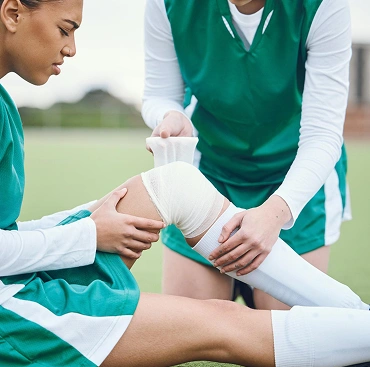
You’re out on the field, feeling unstoppable running, jumping, owning every move when suddenly… pop! That sharp pain in your knee stops you in your tracks. Turns out, your ACL might have just called it quits.
The ACL (anterior cruciate ligament) may be tiny, but it’s one of the toughest players in your body, holding your thigh and shin bones together and keeping your knee stable.
Shocking? Yep. But don’t worry, this doesn’t mean women are fragile. It just means that the female body works differently (and brilliantly) and understanding those differences is the first step to protecting your knees.
Let’s break it down why this happens, what you can do to prevent it, and how you can keep playing, dancing, running, or doing whatever you love without fear.
What Exactly Is the ACL and Why Should You Care?
Think of your knee as a super-flexible hinge that not only bends and straightens but also supports your every jump, sprint, and dance move.
The ACL short for anterior cruciate ligament is one of the key stabilizers that keeps this hinge strong and steady.
Its main job? To stop your knee from wobbling or slipping when you change direction, land from a jump, or come to a sudden stop.
Basically, it’s the quiet hero behind every confident move you make.
But when it tears, things go south fast. You might hear a pop, feel sudden pain, and soon your knee feels shaky like it’s lost trust in you.
Recovery isn’t a quick fix either; it can take months of rest, rehab, and patience.
So, why does this tiny ligament tend to give women a harder time? Let’s find out.
1. Anatomy Has a Say in It
Let’s start with the physical differences, not better or worse, just different.
Women tend to have a wider pelvis than men, which affects the angle where the thigh bone meets the knee (called the Q-angle). The wider the angle, the more inward stress on the knee joint.
This means, when women land from a jump or make a sudden turn, their knees are more likely to cave inward putting more strain on the ACL.
Also, women’s ACLs are slightly smaller in diameter than men’s, which makes them a bit more vulnerable to tearing under pressure.
Even top athletes like soccer star Alex Morgan and skier Lindsey Vonn have faced ACL injuries proving that it’s not about strength or skill, but anatomy and awareness.
2. Hormones Play a Role Too
Ah yes, the ever-powerful hormones don't just affect mood or skin, but also your joints and ligaments.
During certain phases of the menstrual cycle, especially when estrogen levels are high, ligaments like the ACL can become more relaxed or “loose.”
While this helps flexibility, it can also make joints slightly less stable.
This hormonal fluctuation doesn’t mean women should avoid sports at specific times of the month, but it does mean that being mindful of training intensity and recovery can go a long way.
Think of it this way: your body’s chemistry changes, so your training plan should adapt too.
3. Movement Patterns and Muscle Imbalances
Here’s something that’s not talked about enough: how women tend to move differently than men.
When jumping or landing, women often rely more on their quadriceps (front thigh muscles) and less on their hamstrings (back thigh muscles).
This imbalance puts extra strain on the ACL, which acts like a backup stabilizer.
Men, on the other hand, naturally engage their hamstrings more, which helps protect the ACL.
But the good news? This is totally trainable. With the right exercises, women can build equal strength in both muscle groups and drastically reduce the risk of injury.
4. Sports and Lifestyle Factors
ACL injuries are especially common in sports that involve sudden stops, turns, or jumps, think basketball, soccer, volleyball, skiing, or even dance.
And since more women are actively participating in competitive sports and fitness activities (yay for that!), the chances of ACL injuries have also increased over time.
It’s not a sign to stop doing what you love, it's a reminder to train smarter and strengthen your body to handle those moves safely.
So, What Can You Do to Prevent ACL Injuries?
Here comes the part where we all love solutions!
The best news is that most ACL injuries are preventable with the right habits and awareness. Let’s go step by step.
1. Strengthen the Right Muscles
Balanced strength is everything when it comes to knee protection. Focus on:
- Hamstrings: Bridges, curls, and deadlifts help stabilize the back of your knee.
- Quadriceps: Squats and lunges for front-leg strength.
- Glutes: Don’t skip them! Strong glutes support hip alignment and reduce knee stress.
- Core: A strong core improves balance and posture, helping your knees move in line.
Try combining these into a short circuit 3 sets of 10 reps each, three times a week. It doesn’t have to be intense, just consistent.
2. Master Your Landing and Jumping Technique
It’s not what you do, it’s how you do it.
When landing from a jump:
- Bend your knees slightly.
- Keep your knees aligned with your toes (don’t let them cave inward).
- Engage your core.
Practice soft, controlled landings instead of stiff or heavy ones. The goal is to absorb shock through your muscles, not your joints.
Many ACL injuries happen during sudden stops or awkward landings mastering form can make a world of difference.
3. Warm Up Like You Mean It
Skipping warm-ups is like starting a car without turning on the engine first. A quick stretch before activity prepares your joints and muscles for action.
Try a dynamic warm-up:
- Light jogging or skipping
- Leg swings
- Hip circles
- Mini lunges
Just five minutes of this can reduce your injury risk by nearly 50%.
And yes, a post-workout cool-down matters too stretch your hamstrings, quads, and calves gently.
4. Work on Balance and Agility
Poor balance often leads to awkward landings, and that’s where injuries sneak in.
Simple balance exercises like standing on one leg, doing yoga poses, or using a wobble board can improve stability.
Add agility drills like side shuffles or quick steps to build coordination and confidence.
Think of balance training as your ACL’s secret weapon, subtle but powerful.
5. Choose the Right Footwear
Believe it or not, your shoes can make or break your knee health.
Wear shoes that support your arches and provide good traction for your sport. Avoid worn-out soles that can make you slip or twist your knee.
If you’re into sports like basketball or soccer, consider shoes specifically designed for stability and ankle support. Your knees will thank you later.
6. Listen to Your Body (Yes, Really)
Your knees usually whisper before they scream.
If you notice discomfort, swelling, or a “wobbly” feeling, don’t push through it. Rest, ice, and consult a professional.
Ignoring early signs can turn a minor strain into a full-blown tear. Taking one rest day is always better than taking six months off for recovery.
7. Train Smart, Not Just Hard
Rest days aren't a weakness; they're part of your progress. Over training without recovery can wear down your ligaments and joints.
Mix up your workouts: strength training, cardio, yoga, and mobility work. Variety not only keeps things fun but also ensures your joints stay healthy and balanced.
Rehab and Recovery: If It Happens, Don’t Panic
Even with precautions, accidents can happen. But here’s the thing: an ACL injury isn’t the end of your active life.
With proper medical care, physiotherapy, and patience, recovery is absolutely possible. Many athletes come back even stronger than before.
Stay consistent with your rehab plan, trust the process, and remember healing isn’t just physical, it’s mental too. Be kind to yourself.
The Takeaway: Knowledge Is Power and Protection
So, yes women are more prone to ACL injuries, but that doesn’t mean it’s unavoidable.
It just means the female body needs specific attention, smarter training, and a bit more awareness when it comes to joint health.
Celebrate your body for what it’s capable of, not just what it looks like. Build strength, move mindfully, and most importantly, have fun doing it.
After all, your knees aren’t just for walking; they're for dancing, sprinting, exploring, and chasing dreams.
So take care of them today, and they’ll carry you confidently for years to come.
Latest News & Blogs
Why Women Are More Prone to ACL Injuries and How to Prevent Them
Why Women Are More Prone to ACL Injuries and How to Prevent Them
How to Strengthen Your Joints Without Overexercising
How to Strengthen Your Joints Without Overexercising