Understanding Knee Pain: Causes, Symptoms, and When to Seek Treatment


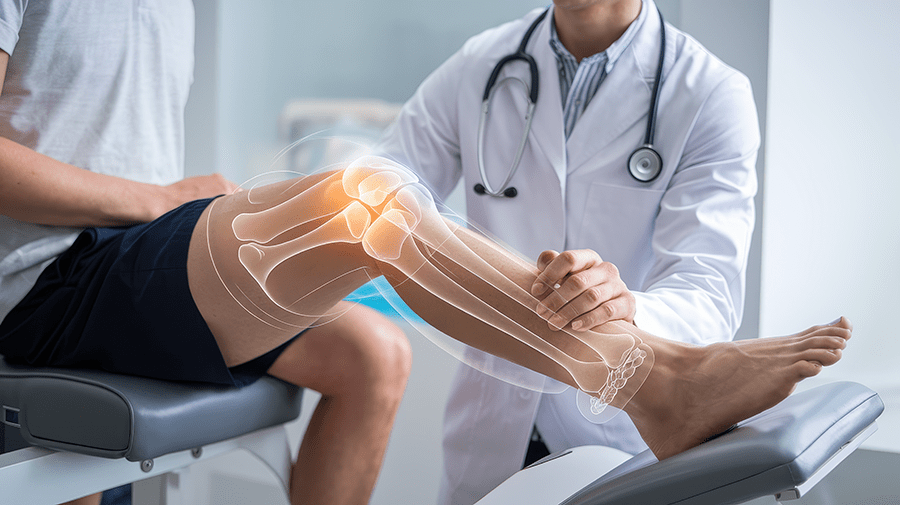
Knee pain is one of the most common complaints affecting people of all ages. Whether you're an athlete, a senior citizen, or someone who spends long hours on their feet, understanding the causes and symptoms of knee pain is crucial for maintaining your mobility and quality of life.
What Causes Knee Pain While Walking?
Walking should be a natural, pain-free activity, but many people experience discomfort with every step. What causes knee pain while walking? Several factors can contribute to this problem:
Arthritis is a leading cause, particularly osteoarthritis, which occurs when the cartilage cushioning your knee joints gradually wears away. This deterioration can make walking painful and challenging.
Ligament injuries from sudden twists or impacts can create persistent pain during movement. The anterior cruciate ligament (ACL) and medial collateral ligament (MCL) are particularly vulnerable.
Meniscus tears happen when the cartilage that acts as a shock absorber between your thigh and shin bones gets damaged, causing pain with each step.
Bursitis develops when the small fluid-filled sacs cushioning your knee joint become inflamed, leading to pain during walking and climbing stairs.
Excess weight puts additional stress on your knee joints, accelerating wear and tear and making walking uncomfortable.
Knee Pain Symptoms to Watch For
Recognizing knee pain symptomsearly can help you seek timely treatment. Common indicators include:
If you experience severe pain, significant swelling, obvious deformity, or cannot bear weight on your leg, these are red flags requiring immediate medical attention.
When Should I See a Doctor for Knee Pain?
Many people wonder, "When should I see a doctor for knee pain?" Don't wait until the pain becomes unbearable. Consult an orthopedic doctor in Bangalore if:
Early intervention by a knee replacement specialist in Bangalore can prevent minor issues from becoming major problems requiring surgery.
Home Remedies for Knee Pain Relief
Before considering surgical options, several home remedies for knee pain relief can provide comfort:
Rest and Ice: Give your knee a break and apply ice packs for 15-20 minutes several times daily to reduce inflammation.
Compression and Elevation:
Use elastic bandages to reduce swelling and elevate your leg above heart level when resting.
Gentle Exercise: Low-impact activities like swimming or cycling can strengthen muscles without stressing your joints.
Weight Management: Maintaining a healthy weight reduces stress on your knees significantly.
Heat Therapy:
Warm compresses can help relax muscles and improve flexibility.
Over-the-counter Pain Relievers:
Non-prescription anti-inflammatory medications can help manage pain and swelling.
Best Treatment for Knee Pain in Adults
The best treatment for knee pain in adults depends on the underlying cause and severity. Options include:
Physical Therapy: Strengthening exercises and stretching can improve stability and reduce pain.Medications: Anti-inflammatory drugs and pain relievers provide symptom management.
Injections: Corticosteroid or hyaluronic acid injections can offer temporary relief.
Orthopedic Knee Replacement Exercises in Bangalore: Specialized rehabilitation programs help prepare patients for surgery or manage pain conservatively.
Surgery: When conservative treatments fail, a full knee replacement may be necessary to restore function and eliminate pain.
When Full Knee Replacement Becomes Necessary
A full knee replacement is a surgical procedure where damaged knee joints are replaced with artificial components. This option is typically considered when:
Working with the best knee repla cement surgeon in Bangalore ensures optimal outcomes and faster recovery.
Expert Care at Orthomed Clinic in Bangalore
For comprehensive knee care, Orthomed Clinic in Bangalore stands out as a premier destination for orthopedic treatment. Located in Nagarbhavi, this specialized clinic offers state-of-the-art diagnostic facilities and treatment options for all types of knee problems.
The clinic is home to experienced professionals, including a renowned knee replacement doctor in Nagarbhavi who specializes in both conservative management and surgical interventions. As a leading orthopedic doctor in Nagarbhavi, the team at Orthomed provides personalized treatment plans tailored to each patient's unique needs.
Whether you're dealing with chronic knee pain, sports injuries, or considering a full knee replacement, the expert orthopedic doctors in Bangalore at Orthomed Clinic utilize the latest techniques and technologies to deliver exceptional care.
Contact Details:
Phone: +91-99015-21083
Email: orthomedhealthcare@gmail.com
Address: #2399/A, Mylaralingeshwara Complex, Deepa Complex Road, Muddinapalya Main Road, Opp. HP Petrol Bunk, Annapoorneshwarinagar, Nagarabavi,Bengaluru- 560 091
Website: https://www.orthomedclinics.in/
Don't let knee pain limit your life. Schedule a consultation with the specialists at Orthomed Clinic today.
Frequently Asked Questions (FAQs)
How long does recovery take after a full knee replacement?
Most patients can resume light activities within 3-6 weeks after surgery. Complete recovery, including returning to more strenuous activities, typically takes 3-6 months. Following orthopedic knee replacement exercises in Bangalore under professional guidance accelerates recovery.
Can knee pain be prevented?
Yes, many cases of knee pain can be prevented by maintaining a healthy weight, staying physically active with low-impact exercises, wearing proper footwear, and avoiding activities that put excessive stress on your knees.
Is knee replacement surgery painful?
Modern surgical techniques and pain management protocols have significantly reduced post-operative discomfort. Most patients report manageable pain levels with prescribed medications, and pain typically decreases substantially within the first few weeks.
What's the difference between partial and full knee replacement?
Partial knee replacement involves replacing only the damaged portion of the knee, while full knee replacement replaces the entire knee joint surface. Your knee replacement specialist in Bangalore will recommend the best option based on the extent of damage.
How do I choose the best orthopedic doctor for my knee pain?
Look for an orthopedic doctor in Bangalore with extensive experience in knee treatments, positive patient reviews, modern facilities, and a comprehensive approach to care. The best knee replacement surgeon in Bangalore should offer both surgical and non-surgical options tailored to your specific condition.
Latest News & Blogs
Bone Cracking Sounds: Harmless Habit or Hidden Warning?
Bone Cracking Sounds: Harmless or a Hidden Health Warning?

Seasonal Eating for Strong Bones and Faster Recovery
Seasonal Eating for Strong Bones and Faster Recovery

The Role of Collagen in Joint Health: Fact or Hype?
The Role of Collagen in Joint Health: Fact or Hype?