Bone Cracking Sounds: Harmless Habit or Hidden Warning?


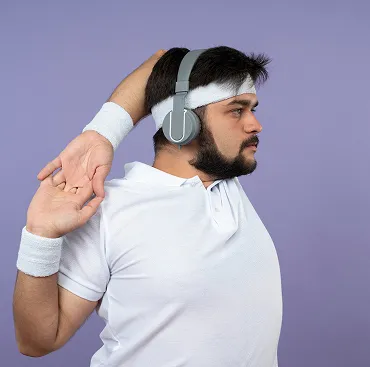
If you’ve ever stretched your arms after a long Zoom meeting or cracked your knuckles before sending a dramatic reply, you’re not alone.
For many of us, that little pop, snap, or crack has become a strangely satisfying ritual. It’s almost like your joints’ way of saying, “Hey, I’m awake too!”
But while these sounds can feel harmless or even comforting, there’s always that one person who says, “Stop doing that, you’ll get arthritis!”
So what’s the truth? Are those cracks and pops really just harmless background noise from your body, or are they trying to send you a warning?
Let’s break it down… gently.
So, What’s Actually Making That Sound?
First, let’s clear the air: your bones are not grinding against each other like rusty machine parts. The cracking sound usually comes from:
1. Gas bubbles popping
Your joints are lubricated by a fluid called synovial fluid. When you stretch or bend suddenly, gasses like nitrogen and carbon dioxide escape quickly, creating a tiny “pop.” Think of it like opening a soda bottle just inside your fingers.
2. Tendons sliding over bones
Sometimes tendons snap back into place when you move. It’s not dangerous; it just sounds dramatic.
3. Ligaments adjusting
When your joints move, ligaments may shift slightly, causing small clicks.
None of these means your bones are breaking. So you can stop imagining an action-movie level explosion happening inside your knees.
Is cracking your joints harmful, or are we simply overthinking it?
The truth is, most scientific studies agree that occasional joint cracking is harmless, and there’s no proven connection between habitual knuckle cracking and arthritis much to the disappointment of every aunty who warned us otherwise.
However, there is an important catch. The sound itself isn’t the problem, but cracking accompanied by pain can signal something more serious.
If the popping is followed by sharp pain, swelling, reduced movement, or warmth around the joint, it may indicate irritation or inflammation.
In such cases, your joints aren’t just being noisy, they're asking for attention.
When Cracking Becomes a Red Flag
Your body does drop hints when something’s wrong. Here are the warning signs you shouldn’t ignore:
1. Cracking Pain
If every pop is accompanied by an “ouch,” it could indicate:
- Osteoarthritis
- Joint inflammation
- Muscle tension
- Cartilage wear
Pain is your body’s way of saying, “Let’s maybe not do that again.”
2. Cracking in one specific joint repeatedly
Especially if the sound is new or sudden. This could suggest instability like a loose ligament.
3. Swelling or stiffness
If your joint feels like a swollen balloon and sounds like popcorn, it’s time for a check-up.
4. Sudden loud crack during exercise
This might indicate:
- A ligament tear
- Tendon snap
- Meniscus injury
Basically, the kind of thing you don’t fix with a hot shower and motivation quotes.
Why Do Some People Crack More Than Others?
You might have a friend whose joints sound like bubble-wrap every time they stand up or maybe that friend is you. Here’s why:
1. More flexible joints
People with hyper mobility often experience more cracking.
2. Thicker or thinner cartilage
Changes in cartilage thickness can create more or less sound.
3. Age
As we get older, cartilage thins and joints may pop more often, a fun perk of adulthood.
4. Activity levels
Fitness lovers and couch potatoes both crack for different reasons: muscle stiffness vs. lack of movement.
Is It Okay to Crack Your Joints Intentionally?
Sometimes, cracking feels satisfying almost like your own DIY physiotherapy session. But should you?
Generally, yes… if:
- There’s no pain.
- You’re not forcing the joint.
- You’re not cracking the same joint repeatedly out of habit or stress.
But avoid it if:
- You twist your neck aggressively to crack it. Major no it can compress nerves.
- You apply strong pressure to joints.
- You feel lingering discomfort afterward.
Think of it as stretching: gentle is good, forceful is risky.
The Stress Factor Nobody Talks About
For many people, joint cracking isn’t just a physical release, it's a mental one too. That small pop can feel oddly calming, almost like a quick reset during a stressful moment.
But when the habit becomes frequent or automatic, it may have more to do with emotional comfort than actual joint stiffness.
A simple way to understand it is this: If you crack your joints because they feel tight or uncomfortable, that’s completely normal.
But if you find yourself doing it repeatedly without any physical need, almost out of routine or restlessness, it might be your body’s way of coping with stress.
In such cases, exploring healthier relaxation habits, like stretching, deep breathing, or short movement breaks, can help manage the urge more effectively.
How to Reduce Excess Cracking
If your joints tend to crack more than you’d like, a few simple habits can help keep things quieter and more comfortable.
Stay active
Regular movement helps keep your joints lubricated and reduces stiffness.
Stretch regularly
Gentle stretching, especially for areas like the wrists, shoulders, hips, and back, can improve flexibility and reduce unnecessary popping.
Strengthen surrounding muscles
Strong muscles offer better support to your joints, which naturally minimizes cracking sounds.
Keep yourself hydrated
Synovial fluid, which cushions your joints, works best when your body is well-hydrated.
Maintain good posture
Poor alignment can increase pressure on certain joints, leading to more snaps and pops.
Avoid sitting in awkward or cramped positions for long periods. When your body stays in one posture too long, the first movement afterward often leads to extra stiffness and extra cracking.
When Should You See a Doctor?
Although joint cracking is harmless for most people, certain signs should prompt a medical consultation. Seek professional advice if you experience:
- Cracking accompanied by pain
- Cracking with swelling
- Cracking followed by weakness or instability
- A joint that locks or catches during movement
- A sudden onset of cracking after an injury
In such cases, a doctor may suggest diagnostic tests like X-rays or MRI scans, or may recommend physiotherapy, posture correction, or strength-training exercises to improve joint stability.
These assessments are routine and are intended to provide clarity and reassurance, not alarm.
So Harmless Habit or Hidden Warning?
For the majority of people, joint cracking is simply a normal part of movement.
Your joints release small sounds as they adjust, stretch, and decompress, much like subtle reminders that your body is functioning as it should.
However, when cracking is paired with pain, swelling, or restricted movement, it can signal an underlying issue that deserves attention. Listening to your body in these moments is key.
And to clear up a common myth: cracking your knuckles does not cause arthritis.
On the other hand, forcing or aggressively cracking areas like the neck is strongly discouraged, as it can strain delicate structures.
Final Thoughts
Our bodies often produce sounds that can catch us off guard, some harmless, others more noticeable than we’d like.
In most cases, joint cracking is simply a part of everyday movement and nothing to be concerned about.
So the next time your knee pops when you get up, take a breath. It's not a sign of falling apart, but a reminder that your joints are at work.
And if someone insists that knuckle cracking leads to arthritis, you can confidently reply, “Research actually says otherwise.”A little science always brings clarity.
Latest News & Blogs

Bone Cracking Sounds: Harmless Habit or Hidden Warning?
Bone Cracking Sounds: Harmless or a Hidden Health Warning?

Seasonal Eating for Strong Bones and Faster Recovery
Seasonal Eating for Strong Bones and Faster Recovery
The Role of Collagen in Joint Health: Fact or Hype?
The Role of Collagen in Joint Health: Fact or Hype?